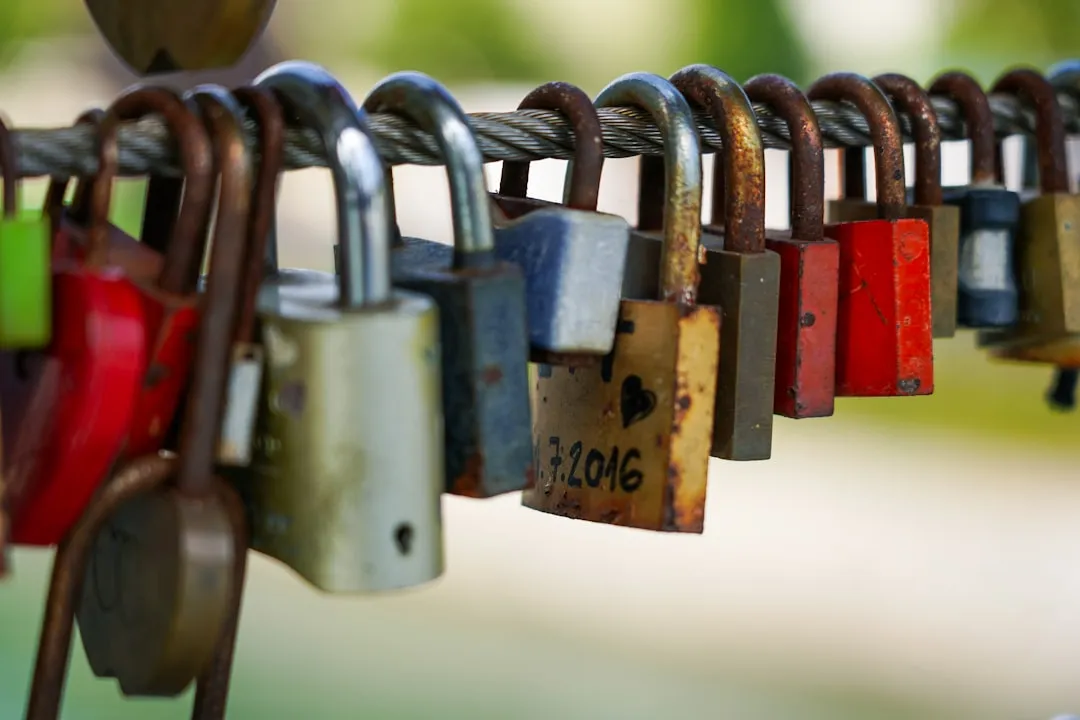
Let’s face it: remembering dozens of unique, complex passwords is a nightmare. You’re probably using the same password for multiple accounts, or variations thereof – a dangerous practice that makes you incredibly vulnerable. That’s why understanding why password managers are essential for online security is crucial in today’s digital landscape. This guide will illuminate why password managers aren’t just convenient, but a fundamental part of a robust online security strategy.
What is a Password Manager and Why Does It Matter?
A password manager is a software application (or sometimes a physical device) that securely stores and manages your passwords. Think of it as a highly encrypted digital vault for all your online login credentials. Instead of racking your brain, you only need to remember one master password to access everything. Why does this matter? Because weak or reused passwords are the easiest targets for hackers. Password managers eliminate this significant security risk by enforcing strong, unique passwords for each account. They even offer features like password generation, making it effortless to create complex, random passwords that would be impossible to crack. Without a password manager, you’re essentially leaving the front door to your digital life unlocked. Using a password manager is paramount to maintaining your online privacy and financial security.
Common Problems Caused by Poor Password Management
Many people struggle with password security, leading to several common problems:
- Reusing passwords: This is the biggest mistake! If one account gets compromised, hackers can access all your other accounts with the same password. This can lead to identity theft, financial loss, and significant reputational damage.
- Weak passwords: Using simple passwords like “password123” or your birthday is an open invitation for hackers. A password manager forces you to create strong passwords, preventing such vulnerabilities.
- Password fatigue: Trying to remember countless passwords is exhausting and often leads to writing them down (a huge security risk!), using weak passwords, or resetting them frequently. Password managers eliminate this mental burden.
- Phishing attacks: Phishing emails often try to trick you into entering your credentials on fake websites. A password manager can often detect these fraudulent sites, protecting you from falling victim.
- Data breaches: Even with strong passwords, data breaches happen. If a website you use suffers a breach, your password may be exposed. A password manager can alert you if a password is compromised and automatically change it.
These problems are easily avoidable by using a password manager. It’s an investment in your peace of mind and digital safety. Consider it an insurance policy against online threats. We can help you find the best option for your needs.
Step-by-Step Guide to Using a Password Manager
Implementing a password manager is simpler than you think. Here’s a general guide:
- Choose a reputable password manager: Research different options and select one that fits your needs and budget (many offer free plans). Popular choices include LastPass, 1Password, Bitwarden, and Dashlane. Consider factors like ease of use, platform support, and security features.
- Create a strong master password: This is the key to your entire password vault, so make it incredibly strong and unique. Don’t reuse this password anywhere else! A password manager will help you create and securely store it.
- Import existing passwords (carefully!): Most password managers offer a feature to import passwords from your web browser. While convenient, ensure you trust the import process and the manager’s security features.
- Start using the password generator: For new accounts, let the password manager generate a unique, strong password for you. This removes the burden of creating these complex passwords yourself.
- Enable multi-factor authentication (MFA): Where available, always enable MFA for added security. This provides an extra layer of protection, even if your master password is somehow compromised.
- Regularly update your password manager: Just like any other software, keep your password manager updated with the latest security patches.
Following these steps significantly increases your online security. Remember, a password manager isn’t just a tool; it’s a critical component of a comprehensive security strategy. Don’t underestimate its importance.
When to Contact a Professional for Help
While password managers are incredibly useful, you might still encounter issues. If you’re struggling with password manager setup, experiencing unexpected errors, or suspect a security breach, don’t hesitate to contact a professional. At PCE Help (https://pcehelp.co.uk/), we offer expert assistance with all your technology needs, including password management solutions. Our team can guide you through the process, troubleshoot problems, and ensure your digital safety. Need immediate help? Call our Toll-Free Support Number: +44-800-066-8910. We’re here to help you navigate the complexities of online security.
Helpful Tools and Security Software
Investing in robust security software is crucial alongside a password manager. Consider using antivirus software like McAfee (https://contactmcafee.co.uk/) or Kaspersky (https://kasperskycontactnumber.co.uk/) to protect your devices from malware and viruses. A good antivirus program works in conjunction with a password manager, creating a layered security approach. For activation or support with McAfee products, visit https://mcafeeactivate.co.uk/. Remember, a strong password manager is only one piece of the puzzle. A holistic approach to online security ensures maximum protection.
Future Outlook and Tech Trends in Password Management
The future of password management is moving towards more sophisticated and integrated solutions. We’re likely to see increased adoption of biometric authentication, passwordless login systems, and advanced threat detection within password managers. Furthermore, greater emphasis will be placed on educating users about password security best practices. The increasing reliance on cloud services and the Internet of Things (IoT) necessitates even more robust password management and security awareness. Staying informed about these trends is key to maintaining your online safety. Remember, technology evolves rapidly, so keeping your security software up-to-date is crucial.
Final Thoughts
Why are password managers essential for online security? The answer is simple: they’re an indispensable tool for protecting your digital life from increasingly sophisticated cyber threats. By simplifying password management and enforcing strong, unique passwords, they offer a significant layer of protection against data breaches, phishing attacks, and identity theft. Don’t wait until it’s too late. Implement a password manager today and take control of your online security. If you need assistance or have questions, contact our expert team at PCE Help. We are available via phone at +44-800-066-8910 or through our website at https://pcehelp.co.uk/. Your digital safety is our priority.
FAQs
What are the best password managers available?
Many excellent password managers exist! Popular choices include LastPass, 1Password, Bitwarden, and Dashlane. The best one for you depends on your specific needs and budget. Research and compare features to find the perfect fit.
Is it safe to use a password manager?
Reputable password managers employ robust security measures, including end-to-end encryption, to protect your data. However, always choose a well-established manager with a strong security track record. Using a weak master password negates all the security measures, so create a strong and unique one.
How can I recover my master password if I forget it?
Password managers typically have recovery mechanisms, usually involving security questions or recovery keys. It’s crucial to set these up during initial setup and store them securely (but separately from your passwords!).
Can a password manager protect me from phishing attacks completely?
While password managers offer significant protection against phishing, they are not foolproof. They can help detect fake websites, but you should still remain vigilant and avoid clicking suspicious links. Learning to identify phishing attempts is still key.
What is the difference between a password manager and a password vault?
The terms are often used interchangeably. However, a password vault generally focuses solely on storing passwords, while a password manager often includes additional features such as password generation, form filling, and security monitoring.